
Energy Modeling

Get 5% More FAR with ULEB

Increasing energy standards and sustainable building practices have made energy modeling an essential part of building design and compliance.

SFE provides comprehensive whole-building energy modeling for LEED, NYSERDA programs, NYCECC compliance, and design optimization. Our team supports projects from early design through final analysis, helping clients improve energy performance, evaluate cost-saving opportunities, and make informed design decisions.

Energy Modeling

Energy Modeling Experts

Increasingly stringent energy codes and sustainable building standards have made energy modeling an essential part of building design, compliance, and performance optimization.


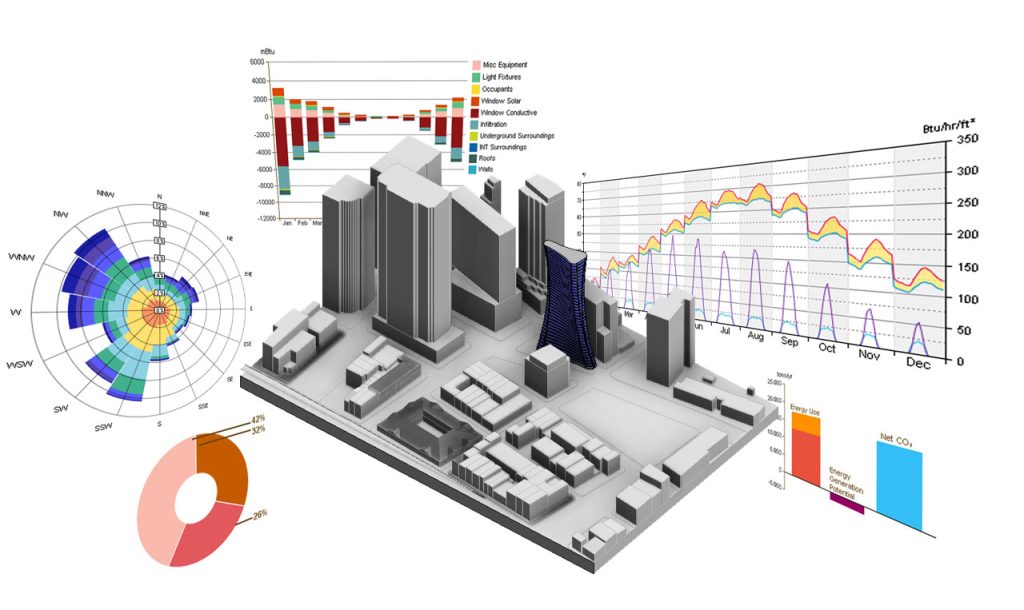
SFE provides comprehensive energy modeling services backed by extensive experience in whole-building energy simulations for LEED certification, NYSERDA programs, NYCECC compliance, and other energy performance requirements. We support project teams from early design through final compliance, helping identify opportunities to improve energy performance and reduce operating costs.


We also specialize in design-phase energy modeling, using preliminary simulations to evaluate design alternatives and provide architects, engineers, developers, and building owners with data-driven insights into energy performance, system selection, and potential cost savings.


Our team utilizes industry-recognized modeling tools, including eQUEST, TRACE, and customized Excel-based models, to analyze building systems and develop accurate, project-specific energy models that support informed design and investment decisions.

Do I need an energy model?

Energy modeling has become an essential part of the design process for architects and engineers. Performance modeling provides data-driven insights that support informed design decisions, helping project teams improve energy efficiency, enhance thermal and visual comfort, optimize building systems, and strengthen long-term building performance and durability.

Frequently Asked Questions

Energy modeling is a computer-based simulation process that calculates a building’s energy consumption, performance, and efficiency. It helps in making informed decisions about design, construction, and operation to optimize energy use and sustainability.

Energy modeling provides insights into potential energy savings, helps assess the impact of design choices, and can lead to reduced operational costs, improved comfort, and environmental sustainability. It aids in meeting energy efficiency goals and regulatory compliance.

Energy modeling is valuable at various stages of a project, from the early design phase to retrofits and renovations. It’s particularly useful for evaluating the energy performance of different design options.

The duration varies depending on project complexity and scope. Preliminary analyses can be completed relatively quickly, while detailed modeling for large or complex projects may take several weeks.

The accuracy of energy modeling results depends on the quality of input data and the modeling assumptions. It is essential to work with experienced professionals who can provide accurate modeling based on real-world conditions.