Commissioning helps ensure that all building systems work as intended, which can lead to improved energy efficiency, reduced maintenance costs, and enhanced occupant comfort and safety. It also helps avoid costly rework and construction defects.

As today’s buildings become increasingly complex and technologically advanced, mechanical, electrical, life safety, and telecommunications systems are expected to perform at higher levels of efficiency, reliability, and functionality. This growing complexity has increased the need for comprehensive commissioning and retro-commissioning services.
At SFE, we understand that every project is unique. Our customized commissioning services help clients optimize building performance, improve system efficiency, and better manage and reduce the costs associated with building construction, operation, and ownership.
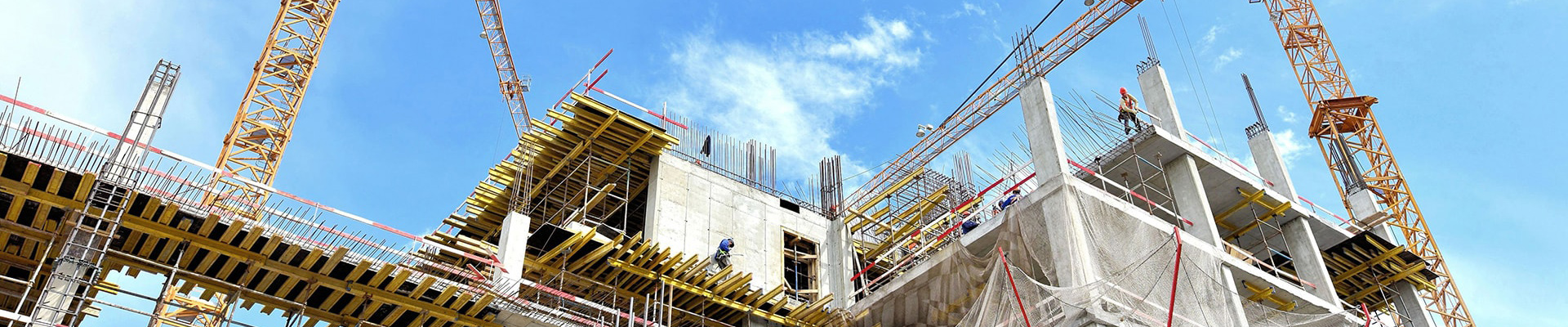
For New Construction Commissioning, SFE provides a comprehensive review of design documents to verify alignment with the Owner’s Project Requirements and design intent. We evaluate system operation, maintenance strategies, and construction schedules to support seamless commissioning throughout the design, construction, and occupancy phases.
Our specialized services include:
Peer Review of System Design
Functional Performance Testing of Major Building Systems
Post-Occupancy Commissioning
Training for Building Owners and Facility Managers to support efficient, reliable, and long-term building operation
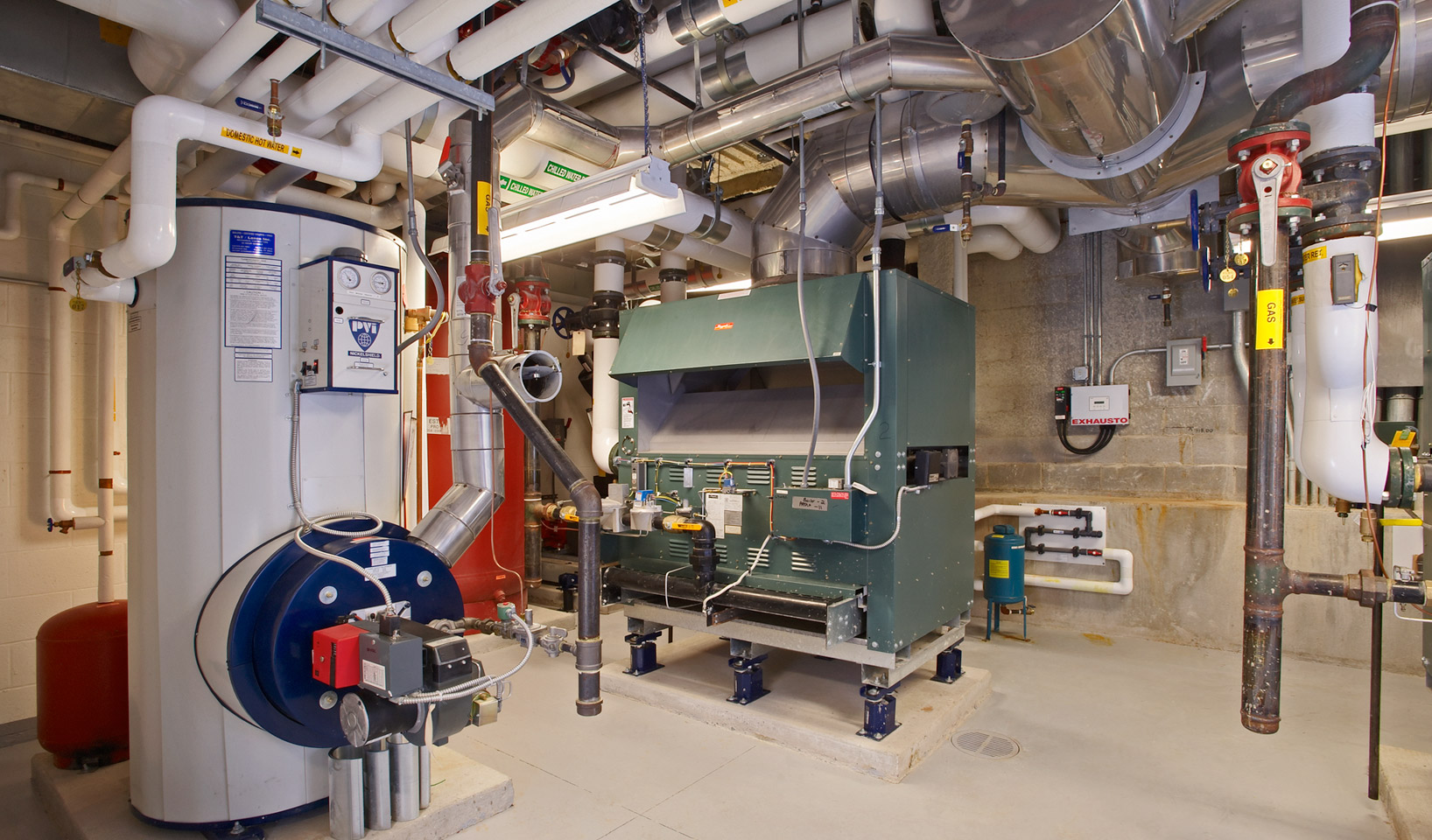
Retro-Commissioning identifies and resolves performance issues that may have originated during design or construction or developed over time as equipment ages, systems are modified, and building usage changes.
With extensive expertise in building systems design and operation, SFE provides comprehensive retro-commissioning services to optimize system performance, improve energy efficiency, reduce operating costs, and enhance occupant comfort.
SFE collaborates with contractors, architects, LEED professionals, and other project stakeholders to support successful LEED Commissioning. Our commissioning approach not only supports the achievement of LEED credits but also helps ensure the proper integration, startup, and performance of building systems.
Through system trending, performance monitoring, and detailed documentation, we provide building owners with valuable insights into long-term system performance and establish benchmarks for future assessments, ongoing optimization, and continuous commissioning.
The New York City Energy Conservation Code (NYCECC) establishes commissioning requirements for applicable new construction and substantial renovation projects to help ensure that building systems are designed, installed, tested, and operated in accordance with the approved construction documents and applicable energy code requirements.
Under the NYCECC, systems subject to commissioning may include, but are not limited to:
Mechanical heating, cooling, and refrigeration systems
Air-handling, distribution, ventilation, and exhaust systems
Air, water, and other energy recovery systems
Building controls and controls for energy-using systems
Plumbing and heating systems
Service water heating systems
Renewable energy systems
Energy storage systems
SFE provides comprehensive commissioning services to help project teams meet applicable NYCECC requirements, verify system performance, and support energy-efficient building operation.
Commissioning is the systematic process of ensuring that a building’s systems and components are designed, installed, tested, operated, and maintained to meet the owner’s project requirements. It primarily focuses on new construction or major renovations.
Retro-commissioning, on the other hand, is the process of optimizing and improving the performance of existing buildings’ systems and equipment. It aims to identify and rectify issues that may have developed over time.
Commissioning helps ensure that all building systems work as intended, which can lead to improved energy efficiency, reduced maintenance costs, and enhanced occupant comfort and safety. It also helps avoid costly rework and construction defects.
Retro-commissioning can lead to energy savings, extended equipment life, improved indoor air quality, and increased comfort. It often results in reduced operational costs and a lower environmental impact.
Commissioning and retro-commissioning services are often provided by qualified engineering firms, energy consultants, or certified commissioning agents (CxAs) who specialize in evaluating and optimizing building systems.
The commissioning process typically involves planning, design reviews, installation verification, functional testing, and ongoing monitoring and maintenance. It aims to ensure that all systems operate efficiently from the beginning.
The duration can vary significantly depending on the size and complexity of the building. For new construction, it may take several months to complete, while retro-commissioning projects in existing buildings can range from weeks to several months.
These processes can identify and address energy inefficiencies in a building’s HVAC, lighting, and control systems. By optimizing these systems, energy consumption can be reduced, resulting in cost savings and environmental benefits.
© 2026 SFE. All Rights Reserved.