Key data includes utility bills (electricity, gas, etc.) and building characteristics (size, use, occupancy). Some benchmarking tools may require additional details about building systems and equipment.


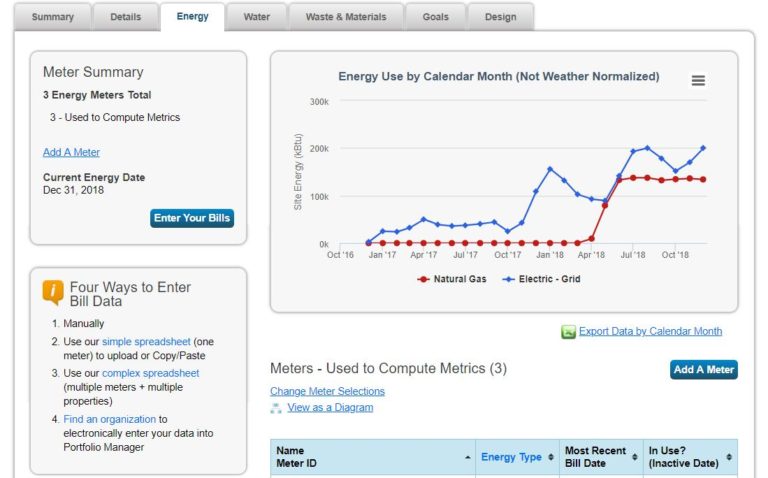
Covered buildings in New York City are required to annually report their energy and water consumption through the NYC Benchmarking Program. Benchmarking helps building owners track energy performance, compare performance over time, and identify opportunities to improve efficiency.
Key NYC benchmarking requirements include:
Local Law 84: Requires covered large buildings to annually report energy and water consumption.
Local Law 133: Expanded benchmarking requirements to include additional mid-sized buildings.
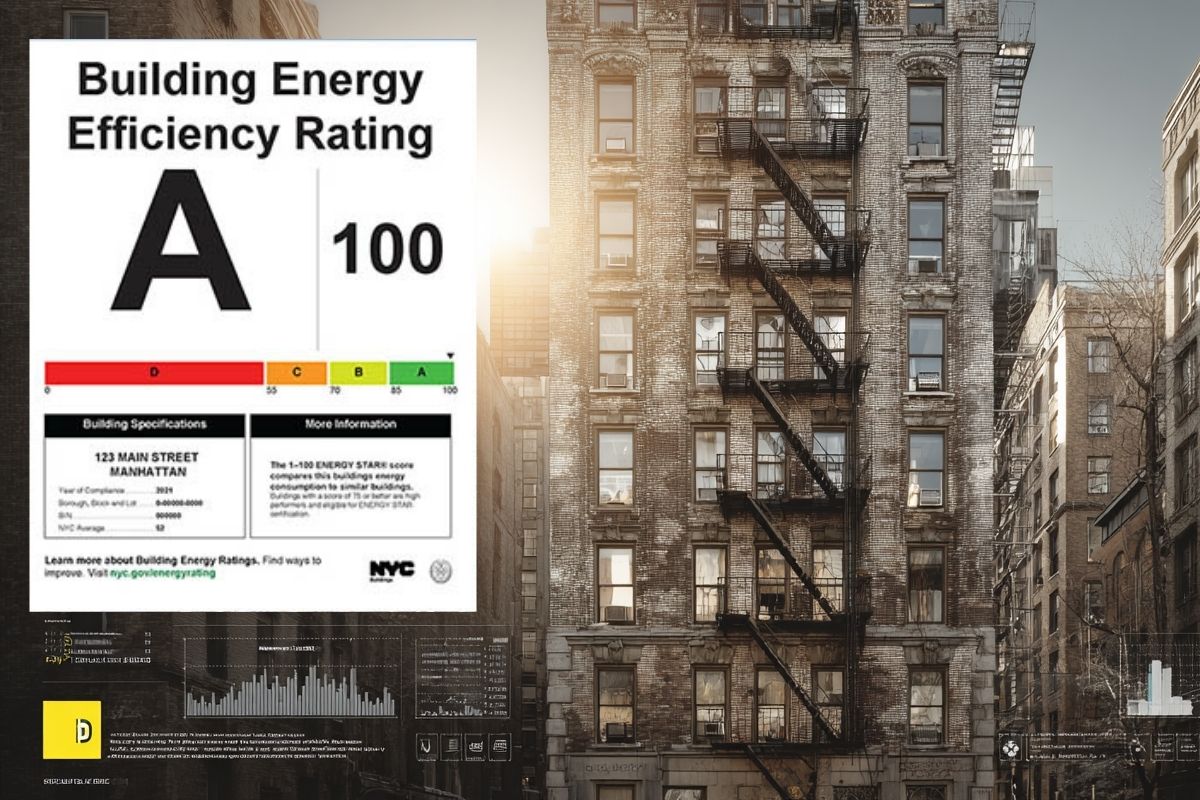
Local Law 33: Requires applicable buildings to obtain and publicly display an Energy Efficiency Grade and Energy Efficiency Score near each public entrance.
Annual benchmarking reports are generally due by May 1 for the previous calendar year’s energy and water consumption. Failure to submit required benchmarking data may result in violations and penalties of $500 per quarter, up to $2,000 per year.
At SFE, we manage hundreds of benchmarking accounts on behalf of building owners and property managers. Our team simplifies the benchmarking process by coordinating utility data, managing submissions, and helping clients stay on top of annual compliance requirements.
Beyond benchmarking, our dedicated professionals help monitor energy-related compliance issues that may otherwise be overlooked, including Local Law requirements, potential violations and penalties, unusual energy consumption and peak demand, and other building performance concerns. With experienced energy professionals supporting your portfolio, SFE helps you stay informed, compliant, and prepared for upcoming requirements.
Key data includes utility bills (electricity, gas, etc.) and building characteristics (size, use, occupancy). Some benchmarking tools may require additional details about building systems and equipment.
Energy benchmarking assesses the actual energy performance of a building by comparing it to similar buildings, while energy modeling uses simulations to predict energy use based on design and operational parameters.
Energy benchmarking can help building owners and managers identify underperforming buildings, prioritize energy-saving measures, reduce operating costs, comply with regulations, and track progress toward energy efficiency goals.
In some jurisdictions, energy benchmarking is mandatory for certain types of buildings, typically larger commercial and municipal structures. Requirements vary by location, so it’s essential to check local regulations. Local Laws 84, 133, and 33 require building owners in NYC to benchmark their energy and water usage.
The frequency of benchmarking can vary depending on local regulations and building goals.
Annual benchmarking is common, but some organizations may choose to benchmark more frequently to closely monitor energy performance.
Benchmarking results can guide energy-saving strategies such as upgrading building systems, implementing energy-efficient technologies, optimizing operations, and educating occupants about energy conservation.
© 2026 SFE. All Rights Reserved.